
From Terror to Transformation
How Two Former Boko Haram Fighters Became Peacemakers
“If they refuse to believe in our religion, you can come and put them in a room and put a fire. I kill a lot of people inside that room. Many children. If you kill any person you will feel happy because you are a special person in the hereafter. If you are not a member, even a Muslim, you are not a true believer. If you didn’t believe with Boko Haram, you are not a believer. Your blood is allowed to shed.”
— Yusuf, former Boko Haram terrorist
These chilling words from Yusuf, once a fighter for Boko Haram, offer a glimpse into the darkness that consumed him and his friend, Mohammad. For three years, they lived as part of one of the world’s most feared terrorist groups—trapped by ideology, violence, and fear.
The Trap of Poverty and Extremism
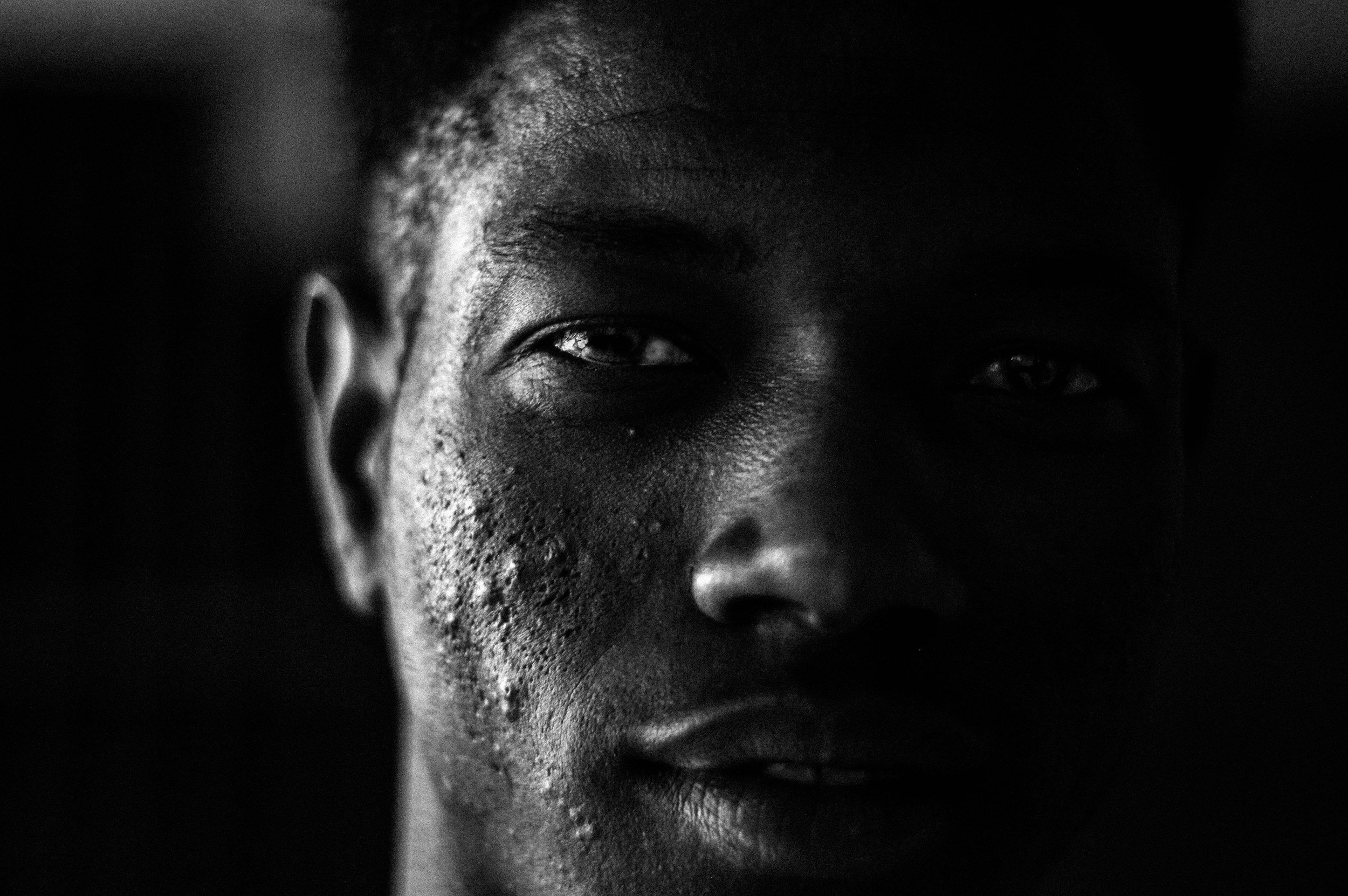
In Gombe State, Nigeria, where 70% of young people are unemployed, Boko Haram preys on desperation.
In Gombe State, Nigeria, where 70% of young people are unemployed, Boko Haram preys on desperation. The extremist group offers cash, food, and promises of belonging to lure young recruits. Once inside, escape is nearly impossible. “If you run away and Boko Haram catches you, they’ll kill you,” Mohammad explained. “And if you go home, your family and neighbors—relatives of the people you’ve killed—will come after you.” Trapped between death and vengeance, many recruits see no way out.
Boko Haram’s reign of terror spares no one—Muslims and Christians alike. Those who refuse to embrace their radical ideology face brutal execution. High-value targets are kidnapped for ransom. Christians are particularly vulnerable, seen as connected to Western wealth. The money and supplies from raids and kidnappings sustain the militants hiding in the jungle. For Mohammad and Yusuf, the violence became routine—until one day, it struck home.
During a raid on their own village, commanders ordered Mohammad and Yusuf to do the unthinkable: kill their parents. That moment became turning point. They realized they could not obedisobedience meant certain death. So, they ran.
Their desperate flight led them not to freedom but to a government rehabilitation camp in Gombe, a facility designed to reintegrate former Boko Haram members into society. It was here, in 2016, that Rev. Abare Kallah found them. Rev. Kallah—a key figure in Nigeria’s interfaith peace movement—was already known for his role in helping negotiate the release of 82 of the Chibok schoolgirls kidnapped in 2014, an event that sparked the global “Bring Back Our Girls” campaign championed by First Lady Michelle Obama.
As Nigeria’s National Coordinator for OMNIA and Chairman for the Northeastern Zone of the Christian Association of Nigeria (CAN), Rev. Kallah was working to bridge divides between faith communities. He recognized in Mohammad and Yusuf not only perpetrators—but victims.
When OMNIA announced plans to host a training in Gombe, many in the U.S. warned against it. Boko Haram operatives were still active in the area. The government assigned armed escorts for safety. Despite the danger, more than 70 participants gathered—traditional rulers, imams, pastors, politicians, and NGO leaders. Among them were Mohammad and Yusuf.
In a moment of raw courage, the two young men stood before the assembly, confessed their crimes, and begged for forgiveness. The room was silent. Then, an elderly Traditional Ruler rose to speak:
“These boys are also victims. They have been punished enough. Now they need to be welcomed back into society.”
Some mothers wept. Others nodded in solemn agreement. Redemption, it seemed, had begun.
From Enemies to Entrepreneurs
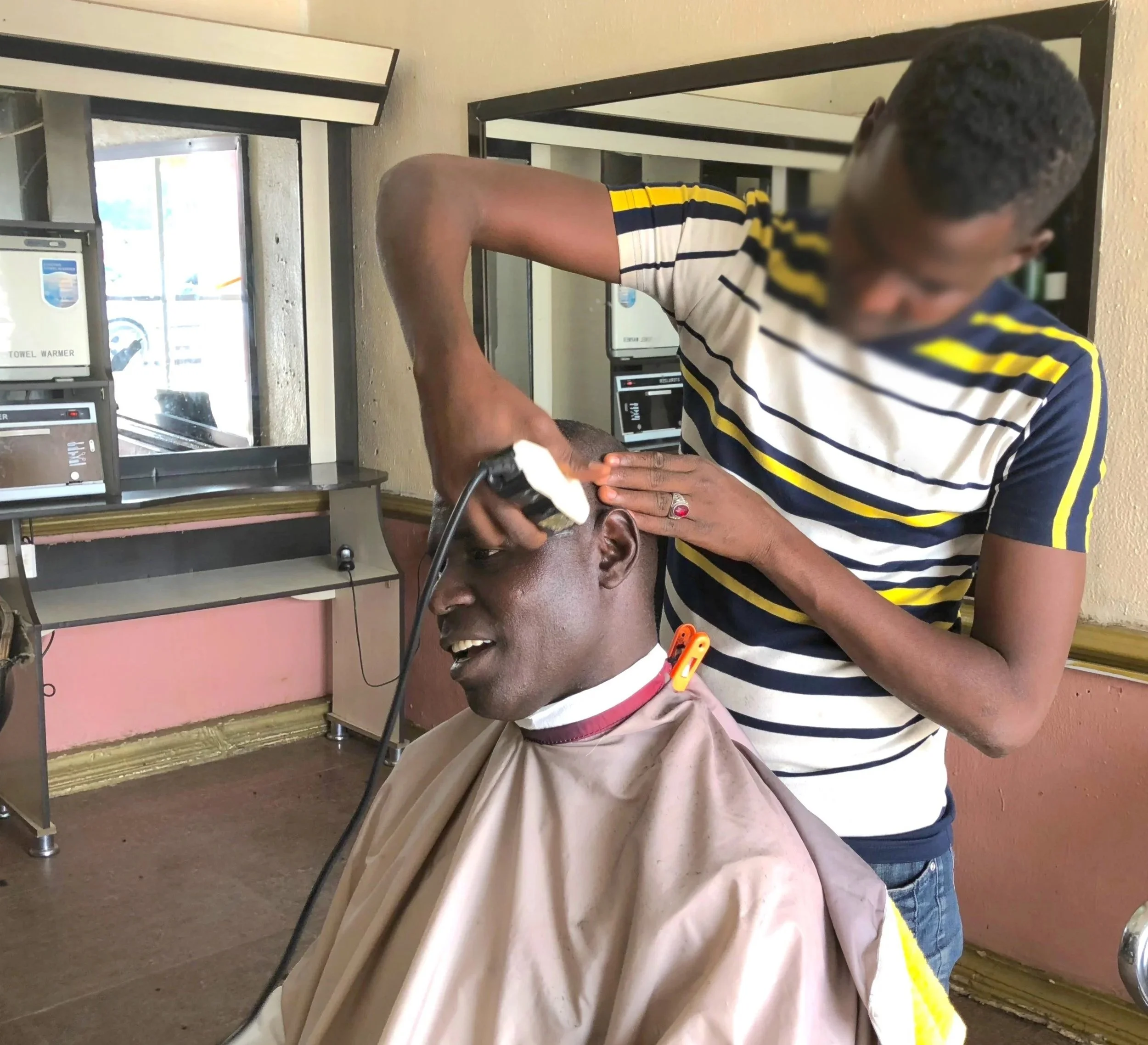
Rev. Kallah receives a haircut from Yusuf
Mohammad and Yusuf asked for help to start a barbershop, a small business that could give them purpose—and a place in the community. They promised to hire Christian assistants to show their commitment to peace.
Rev. Kallah organized an Interfaith Peacemaker Team (IP Team) around them, made up of local businessmen who paid for rent and equipment. Before long, their shop opened its doors in Gombe.
The barbershop became more than a business—it became a symbol of reconciliation. True to their word, Mohammad and Yusuf employed Christian workers and started an apprentice program to train other youth.
Today, their idea has blossomed into five thriving barbershop franchises across Gombe.
Their courage inspired others. Two Christian women, Grace Williams and Rahila Barnabas, participants in OMNIA’s early trainings, decided to start a sewing shop that later grew into a catering business. Like Mohammad and Yusuf, they made a promise—to hire Muslim young women as their business expanded.
Their ventures are now flourishing, living proof that peace and prosperity can coexist. Both Mohammad and Yusuf are now leaders in the Interfaith Peacemaker Teams, risking their lives to counter extremist ideology in Gombe.
“They are actively involved in confronting violent extremism in the city,” Rev. Kallah says. “They sometimes face physical danger, even bodily confrontation with extremist preachers. But they continue. They are inspiring leaders.”
From executing orders of hate to building bridges of hope, Mohammad and Yusuf’s story is a testament to what is possible when a community dares to believe in redemption, forgiveness, and peace.