
Where We Work
Change is most durable when it’s led by the people most affected. OMNIA supports locally identified priorities and actions rather than imposing solutions from above.
AFRICA
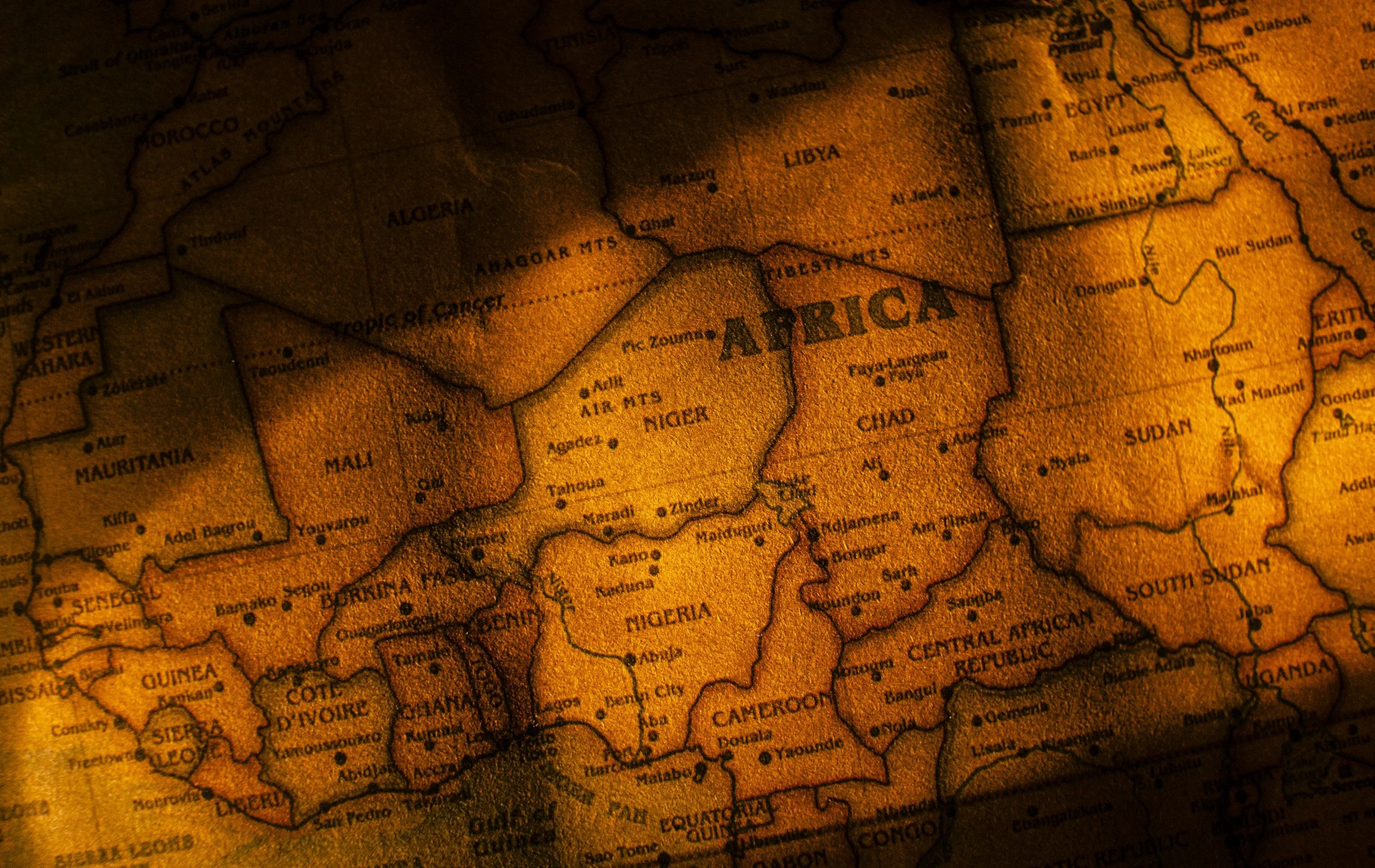
Nigeria
-
Western Cameroon is primarily Anglophone, while the rest of the country is Francophone. Most of Cameroon is Christian, except for parts of the North, which is Muslim. The two areas have traditional rivalries that are linked to colonial legacies, political exclusion, economic inequality, and armed conflict. Questions of representation, participation, and accountability remain significant concerns.
-
There are 26 IP Teams in Cameroon, in Yaounde, Douala and Limbe. The Atlantic ocean’s high level of polution affects Limbe’s beaches as garbage from elsewhere lands there. A women’s IP Team goes to the beach every Tuesday and Thursday morning to clean up the beach. They have demanded that the local government take action.
Another IP Team in Limbe includes former sex workers who are reaching out to women who are trafficked to that trade. They are evaluating their options in bringing perperators of trafficking to justice and seeking relief for those caught in its web.
-
Coming soon
Uganda
-
Liberia continues to grapple with the legacy of civil war, extractive economic systems, and unequal access to political and economic power. Rural communities often depend on land and forests for survival while facing pressure from mining, logging, and agricultural interests. Food security, environmental sustainability, and public accountability remain central concerns in many communities.
-
Liberia’s 62 IP Teams are spread across 4 counties.
-
IP Teams in two locations built wetland rice farms. They worked with government officials to evaluate the feasibility of using wetlands for lowland rice cultivation, preventing highland cultivation, which would require cutting trees causing environmental damage.
Did an action on an iron-ore mining company that had unethical business practices, forcing the government to sack the corrupt management and install a new management.
In the 2023 October 10 general election, IP Teams did several actions that resulted in reducing election violence. One action had hundreds of young people pledge on video that they will not commit election violence. This was published on Tik-Tok and went viral.
Ghana
-
Uganda's communities face the combined pressures of economic inequality, youth unemployment, environmental degradation, and limited access to quality education and healthcare. While the country has experienced significant growth, many people remain excluded from decisions that shape their lives. Rural communities are particularly affected by climate change, land pressures, and persistent poverty.
-
-
Held a massive campaign to get children to go back to school after the pandemic
Reduced food insecurity as IP Team members provide mutual aid through community farms
Manufactured reusable sanitary pads, and distributed a kit containing a pad, a bottle of liquid soap and an undergarment to girls in local schools, which reduced school absences and the dropout rate. They used the opportunity to provide sexual health sessions which resulted in a decrease teen pregnancies
IP Teams created a tree nursery with which they are planting 10,000 trees
Built an office building with IP Team members’ labor
Liberia
-
Despite its reputation for political stability, Ghana continues to face challenges related to economic inequality, environmental degradation, youth unemployment, and the unequal distribution of resources. Rural communities often experience the impacts of extractive industries and climate change most directly. Many citizens continue to push for development that is both equitable and locally accountable.
-
Ghana is our latest country. There are 6 IP Teams there.
-
Coming soon
Togo
-
Nigeria's extraordinary diversity exists alongside deep challenges rooted in colonial boundaries, unequal development, corruption, and competition over political and economic power. In some regions, insecurity, violent extremism, and intercommunal tensions have weakened trust and disrupted daily life. Communities continue to navigate questions of security, representation, and equitable access to resources.
-
Nigeria has over 200 IP Teams primarily in Gombe and Taraba states in the Northeast.
-
Received an award from the governor of Gombe State for achieving the status of “second safest state in Nigeria” in 2023, and “the state with the least number of kidnappings” in 2024.
IP Teams in Gombe reduced (almost eliminated) election-related violence in two election cycles (2019 and 2023).
IP Teams in Taraba State ran a successful campaign on “Greening of Taraba” where they planted 10,000 trees across the state.
IP Teams in Gombe did an action on the state government to force them to open storehouses and distribute grain at a time of famine.
Together with the local School of Nursing, IP Teams conducted a successful mass education campaign on pandemic-related hygiene.
Dug 6 deep-wells providing clean water to communities and stopping the spread of Cholera
Rescued a local bank devastated by Boko Haram by organizing deposits from customers outside the local community
Rehabilitated two Muslim boys running away from Boko Haram to start a Barber Shop with the support of a businessmen’s IP Team, eventually resulting in 5 franchises.
Rebuilt roads, culverts and schools, provided security to each other’s places of worship, prevented numerous deadly conflicts, and got a few of its leaders elected to public office.
South Sudan
-
South Sudan's ongoing challenges are rooted in a combination of colonial borders, political exclusion, armed conflict, and competition over resources. Many communities continue to experience displacement, food insecurity, and weak public infrastructure. Building trust, strengthening local institutions, and expanding participation remain urgent priorities.
-
Coming soon
-
Coming soon
Kenya
-
Kenya's contemporary challenges are connected to histories of colonial land dispossession, unequal development, and concentrated political and economic power. Communities continue to confront issues related to land rights, corruption, environmental degradation, and growing economic inequality. Climate change has intensified existing pressures on livelihoods and natural resources.
-
In coastal Mombassa county there are 75 IP Teams while in Western Kenya’s Siaya county there are 36.
Mombasa, being Kenya’s second largest city, faces a significant challenge of the “youth bulge,” and the attendant substance abuse problem. Mombasa has IP Teams that comprise young people. They have interventions for those who are abusing drugs; plans to go after drug king-pins who supply drugs; and are working to challege the government to strengthen law-enforcement mechanism to arrest them.
Mombasa also has an “Adopt a Plant” program where school children are given a seedling to plant and care for. This gives children a great way to learn about climate change and agriculture.
Siaya addresses food insecurity. It has organized home gardening projects, community farms and cage fish farms in Lake Victoria. IP Teams have had at least two harvests of fish. It has also become a revenue generator
Many IP Teams work on a system called “Table Banking.” in a rural area bereft of traditional banking services, they pool their money. Each month, one person gets a lump sum that they can invest in a business which will stregthen their economic value.
-
The success of the cage fish farming project is such that many it has become a revenue generator for many IP Teams.
Cameroon
-
Togo's political and economic landscape has been shaped by longstanding patterns of concentrated power, limited civic participation, and unequal access to opportunity. Many communities face persistent poverty, environmental pressures, and barriers to influencing decisions that affect their daily lives. Young people in particular often encounter limited economic prospects.
-
Togo has 26 IP Teams.
Many of them are involved in community farms where they specialize in growing cassava and groundnuts.
Garri is an important cassava-based staple food for the Togolese. They have launched a Go Fund Me campaign to raise funds for a Garri Proessing Machine.
-
Coming soon
ASIA
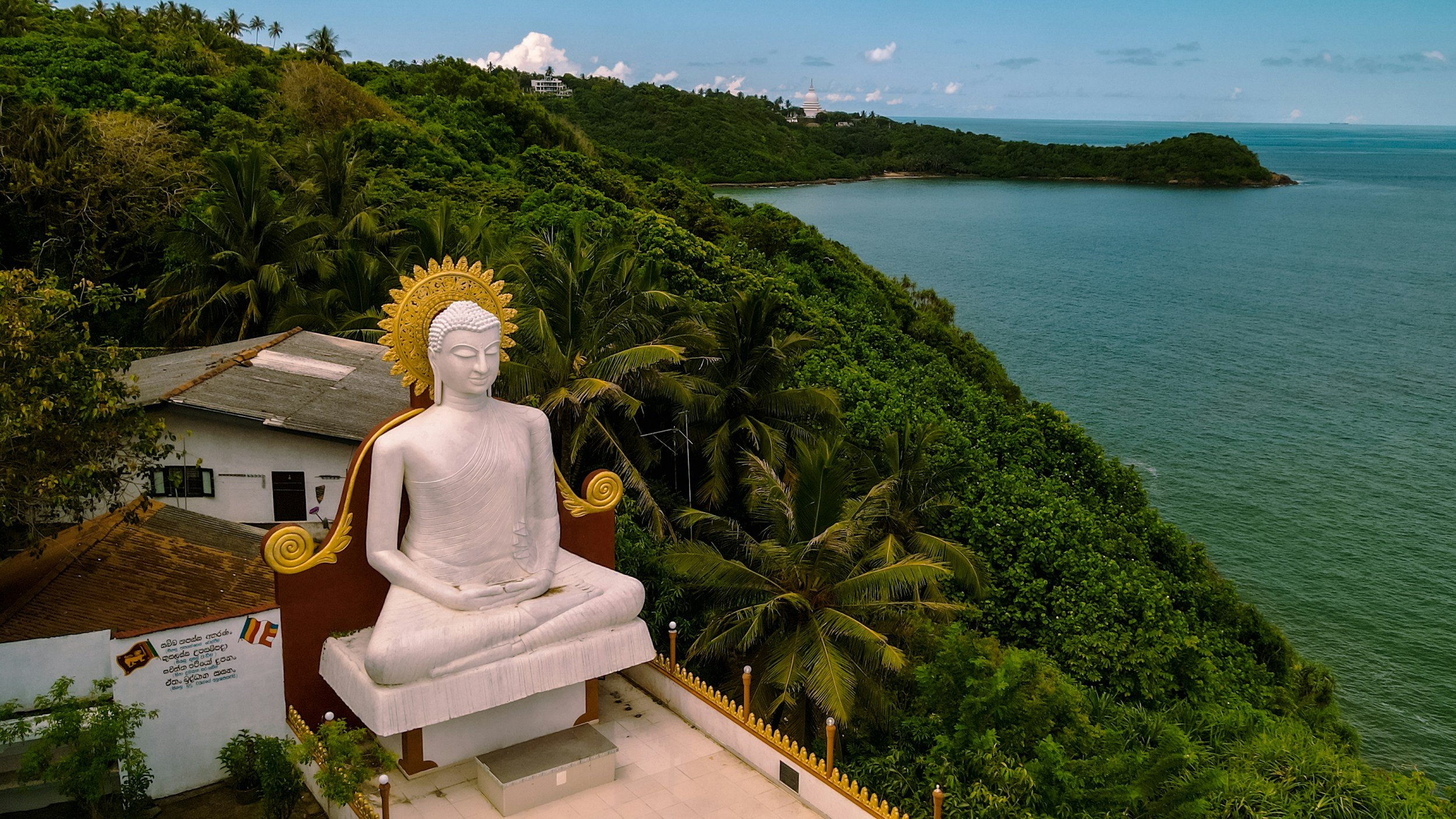
Sri Lanka
-
Bangladesh has made significant economic gains while continuing to wrestle with social inequalities shaped by class, caste, patriarchy, and religious marginalization. Women and girls often face heightened vulnerability to violence and exclusion, while low-caste communities continue to encounter discrimination and barriers to opportunity. Climate change and environmental pressures further compound existing challenges.
-
-
Stopped forced child marriages in many communities with teenager IP Teams collaborating with an IP Team of lawyers to get results
Reduced violence against women by using the religious leaders in IP Teams to spread the message of respecting women
Reduced sexual predation by subjecting perpetrators to social derision
Raised the dignity of low caste Hindus who are both poor and in garbage worker communities because of the caste status
Repaired bridges and culverts, and planted trees
Bangladesh
-
Sri Lanka continues to live with the consequences of colonial rule, civil war, economic instability, and centralized political power. Ethnic and religious divisions have been repeatedly manipulated for political gain, while recent economic crises exposed deep frustrations with corruption and governance failures. Many communities are seeking more equitable and democratic pathways forward.
-
-
Provided significant relief following Cyclone Ditwah to IP Team members whose houses were destroyed and whose home gardens were washed away
Reduced food insecurity in rural communities during the pandemic and the 2022 economic collapse by initiating the Home Agriculture Project.
Collaborated with labor unions in advocating for and winning a raise in the minimum wage for tea estate workers
Together with the Climate Justice IP Team, offered an Amicus Curiae brief to the Sri Lankan government, parts of which were used in Sri Lanka’s presentation to the International Court of Justice prior to its ruling on climate change.
Together with Valmark Corporation built a high-tech classroom in a rural school with computers, a smart-board and internet connectivity. Now they are working on a second school.
Brought Hindu, Muslim and Christian communities together in the Eastern Province in the aftermath of the deadly Easter bombing
Raised money and rebuilt the roof of a school, participated in the island-wide protest movement against a corrupt government, built a strong relationship with a network of local government agents and Buddhist temples who have offered land for the Home Agriculture Project.
UNITED STATES

Climate Justice
-
The Climate Justice IP Team works on two sides of the climate change issue: causes and consequences. it is climate “justice” because the team seeks to address the consequences of environmental damage caused by countries that recklessly emit greenhouse gases are felt by global south countries that have little or nothing to do with carbon emissions.
While the IP Team addresses causes of climate change, it has a Working Group that works on particular issues of food insecurity and similar issues that are the consequences of climate change.
-
The Working Group convenes scientists and researchers to support local IP Teams addressing food insecurity. Currently, they are advising Sri Lanka’s Home Gardening Projects which were devastated by Cyclone Ditwah in November 2025.
They are also engaged in trying to raise funds for projects such as:
Liberia’s rice farming, which reduces cutting down of trees
Kenya’s “Adopt a Plant” program where students take a tree sapling and plant and cultivate it learning about environmental concerns in the process
Uganda’s “Trees that Feed” program which promotes “Food Forests.” This addresses two problems at once. The need for tree planting and growing trees with edible fruits.
-
Participated with Pacific Island students in campaign to pass the UN resolution on seeking an Advisory Opinion from the ICJ re. Climate Change. Submitted an Amicus Brief, parts of which were used by Sri Lankan government’s presentation to the ICJ in support of the Advisory Opinion.
Engaged with multiple countries to support the challenges of climate change induced food insecurity.
Raised funds in support of Liberia’s lowland rice farming projects.
Just-Peace
-
Just Peace IP Team addresses two ideological myths that significantly impact US public policy: Christian Zionism and White Christian Nationalism.
-
Stories told by the dominant culture often lead to war and violence. This is the case with Christian Zionism and White Christian Nationalism. Our task is to discover counter narratives that lead to justice and peace. We have agreed that the best counter narratives come from indigenous communities in which our IP Teams are located. Our current task is to discover and disseminate those in creative ways.
-
Coming soon
Patriarchy
-
This IP Team defines Patriarchy as religiously legitimized male supremacy. Over many years it has sought to educate and advocate for the rights of women around the world.
It has stated three priorities:
promoting anti-supremacist women to elected office.
promoting women to become theologians and religious leaders especially in traditions where it is uncommon.
promoting women’s economic empowerment through social entrepreneurship.
-
The Patriarchy IP Team is working on developing a Working Group that will assist local IP Teams in their work to overcome gender-based violence, child marriage and trafficking.
-
Produced a short film on the effects of patriarchy on our communities
Presented 5 workshops at the Parliament of the World’s Religions in Chicago in 2023.
Created a 13 week dramatic workshop on Genesis 1 (the creation story) on the gender of God.